
The Beauty of Humility

The following is an adapted excerpt from
Commentary on the Song of Solomon.
“one of the choisest books I have ever read in my life" (Lloyd-Jones)
O my dove, in the clefts of the rock,
in the crannies of the cliff,
let me see your face,
let me hear your voice,
for your voice is sweet,
and your face is lovely.
Song of Solomon 2:14
Let me see your face, for it is lovely.
The person here addressed, as in the cleft of the rock, is so affected with a sense of unworthiness, that she shrinks back and stands in need of the exhortation to come forth to her Lord. To such trembling, timid souls, He says,
“Cut off though you may be from the riches, the honors, and even the comforts of this world, and feeling yourself most unworthy, there is One on whom you may cast all your care, for He cares for you. One who speaks to you in the most affectionate language—My dove, My tender, timid one, the object of My deepest, most devoted love, let Me see your countenance, for however the world may disregard and despise that expression of humility, in My eyes the countenance bespeaking contrition is beautiful.”
To the father of the prodigal, far more pleasing than the gaiety of the company thronging his halls was the careworn countenance of his humbled and repenting son.
Let me hear your voice, for your voice is sweet.
The music and dancing were not so sweet to the father's heart as the humbled tones of his lost son confessing his sin, acknowledging his transgressions, and giving utterance to his reviving love.
No sounds are more delightful to Jesus than the tones of the contrite spirit confessing sin, mourning the absence of His countenance, calling on Him in trouble, and seeking advance in holiness.
Meet the author:
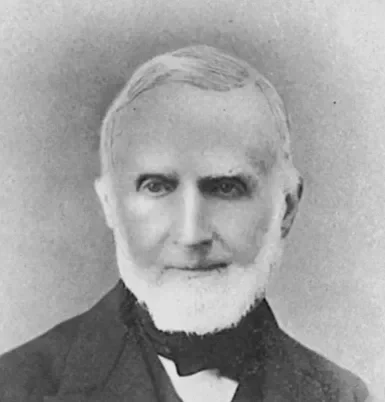
George Burrowes
1811-1894
George Burrowes wrote an excellent commentary on the Song of Solomon, which was one of the first two books published by the Banner of Truth. (Thomas Watson’s Body of Divinity was released on the same date.) He graduated from Princeton College in 1832 and received his Doctor of Divinity degree from Princeton Theological Seminary in 1835. During his lifetime, Burrowes helped start a college and later a seminary in California. He also served as a pastor and as a seminary professor of Latin, Greek, Hebrew Language and Literature, and Biblical Instruction.
