The Spark from Heaven
The following is an adapted excerpt from The Bruised Reed, by Richard Sibbes.
A bruised reed He will not break and a dimly burning wick He will not extinguish
Isaiah 42:3
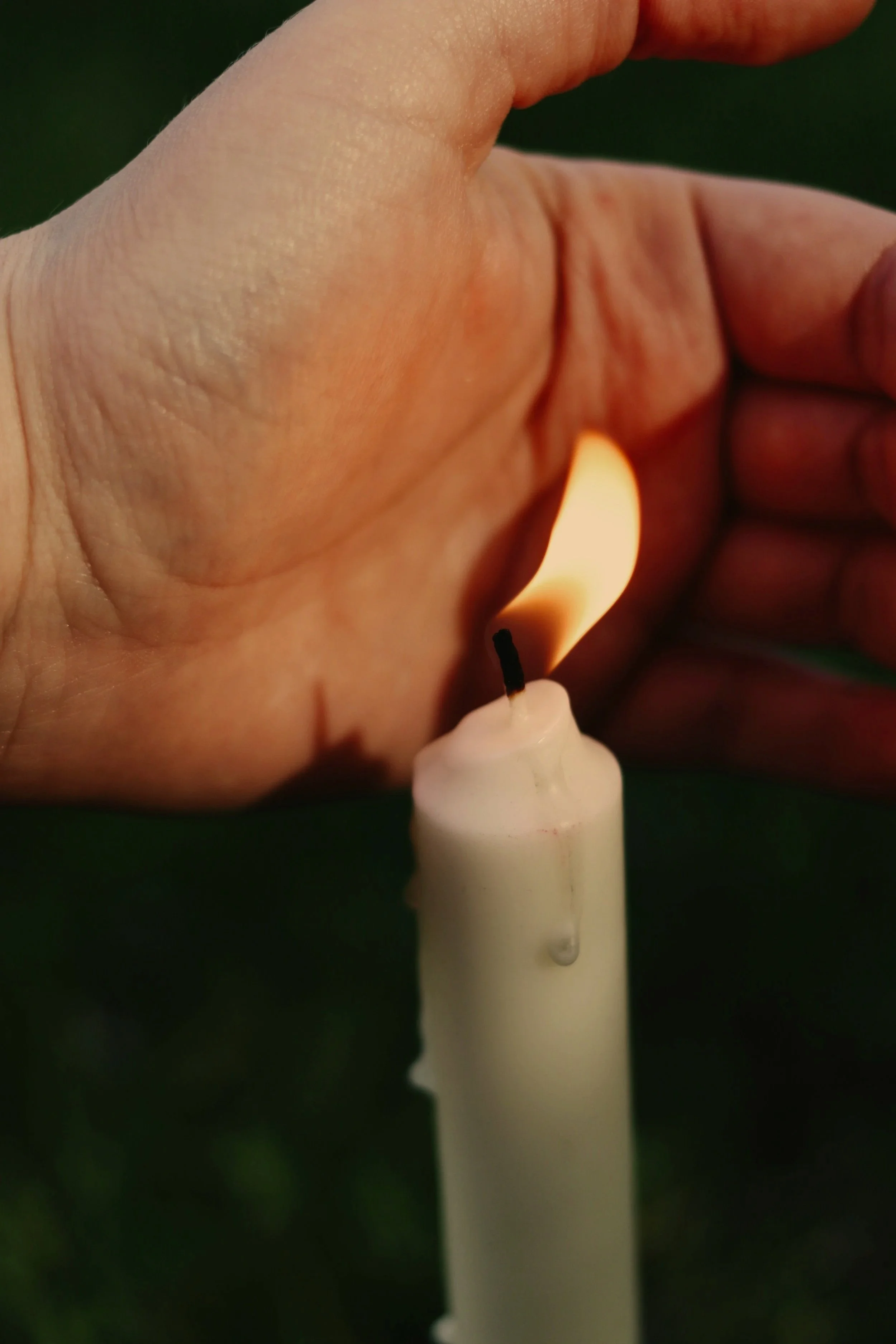
Christ will not quench the smoking flax. This is so for two principal reasons. First, because this spark is from heaven: it is His own, it is kindled by His own Spirit. And secondly, it tends to the glory of His powerful grace in His children that He preserves light in the midst of darkness, a spark in the midst of the swelling waters of corruption.
THE LEAST SPARK OF GRACE IS PRECIOUS
There is a special blessing in that little spark.
“As the new wine is found in the cluster, and they say, ‘Do not destroy it, for there is a blessing in it,’ so will I for my servants’ sake not destroy them all.”
Isaiah 65:8
We see how our Savior Christ bore with Thomas in his doubting (John 20:27), and with the two disciples that went to Emmaus, who wavered as to whether he came to redeem Israel or not (Luke 24:21). He quenched not that little light in Peter, which was smothered: Peter denied him, but he denied not Peter (Luke 22:61).
“If you will, you can,” said one poor man in the Gospel (Matt. 8:2). “If you can do anything” said another (Mark 9:22). Both were smoking flax. Neither of them was quenched. If Christ had stood upon his own greatness, he would have rejected him that came with his “if”. But Christ answers the leper’s “if” with a gracious and absolute grant, “I will; be clean.”
The woman who was diseased with an issue did but touch, with a trembling hand, and but the hem of his garment, and yet she went away both healed and comforted.
In the seven churches (Rev. 2–3), we see that Christ acknowledges and cherishes anything that was good in them.
Because the disciples slept due to infirmity, being oppressed with grief, our Savior Christ frames a comfortable excuse for them: “The spirit indeed is willing, but the flesh is weak” (Matt. 26:41).
If Christ should not be merciful, he would miss of his own ends: “But with you there is forgiveness, that you may be feared” (Psa. 130:4). Now all are welcome to come under that banner of love which he spreads over his own: “To you all flesh shall come” (Psa. 65:2). He uses moderation and care, lest the spirit would grow faint before him” (Isa. 57:16). Christ's heart yearned, the text says, when he saw the people without meat, “lest they faint on the way” (Matt. 15:32); much more will he have regard for the preventing of our spiritual faintings.
Meet the author:
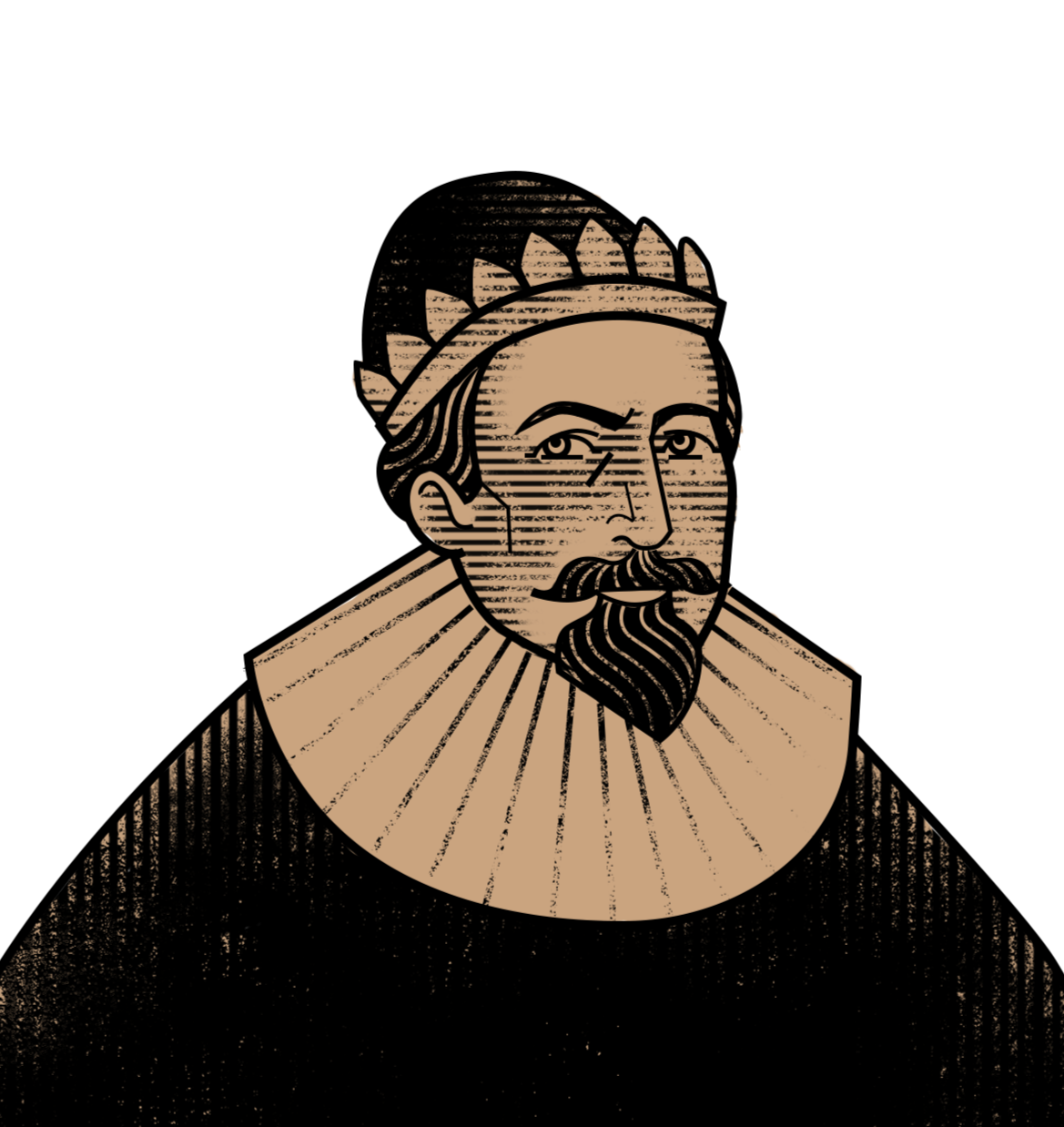
Richard Sibbes
Richard Sibbes (1577-1635) was a highly influential English Puritan theologian and preacher. Known as "the heavenly Doctor Sibbes" for his warm, pastoral, and Christ-centered preaching, he remained in the Church of England throughout his life and left a lasting legacy through his practical theological writings.